
AI Sharpens Prognosis for Brain Injuries: New Review Spotlights Predictive Potential
Accurately predicting how a patient will recover from a moderate to severe traumatic brain injury (TBI) has long been a moving target.…

Introduction
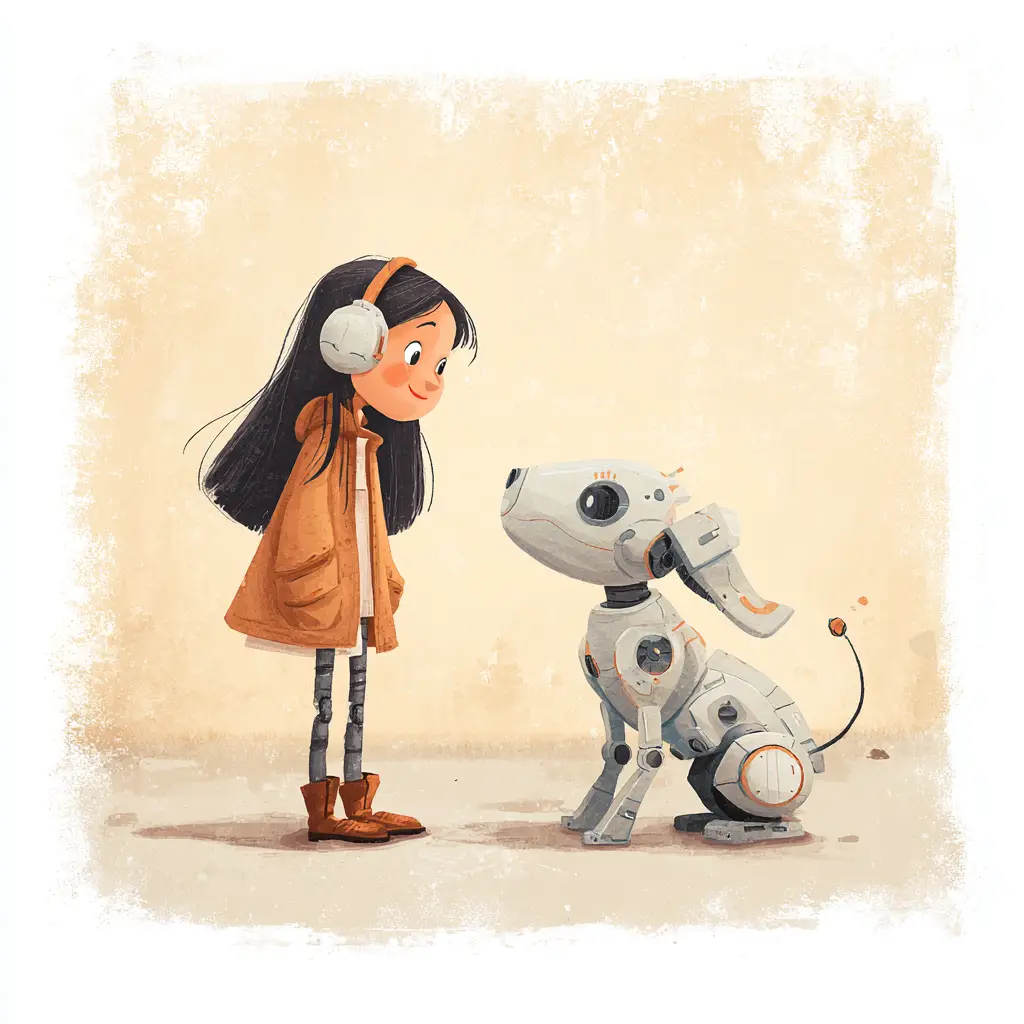
A classroom assignment that begins with 3-D-printed plastic parts and a few servo motors is now walking hospital hallways—and melting hearts. Stanford University’s “Pupper” robots, built by CS 123 students, aren’t just engineering eye-candy; they’re proving that AI-powered robo-dogs can deliver many of the same therapeutic benefits as live animals, but with zero shedding and a whole lot more uptime.
In the 10-week CS 123 course, undergrads go full stack on robotics—assembling hardware, wiring motors, and training neural networks so their four-legged creations can trot, fetch, and even put out toy fires during the end-of-quarter “Dog & Pony Show.” The low barrier to entry (only basic coding skills required) makes the class a feeder for tomorrow’s roboticists, says professor Karen Liu.
Pupper’s biggest cameo happens off-campus at Lucile Packard Children’s Hospital. Partnering with the CHARIOT program—which specializes in immersive tech to ease procedure anxiety—students unleashed 30 robo-puppies in the hospital’s Story Corner. Kids led their metallic mutts on leashes, danced with them, and, according to 12-year-old patient Tatiana, “felt like home again.” Pediatric anesthesiologist Dr. Thomas Caruso hopes the bots can supplement traditional pet-therapy when live dogs aren’t available.
Human-animal interaction research shows pets can lower blood pressure, reduce pain, and calm anxiety—benefits the NIH highlights as part of overall heart-and-mind health. Even the CDC’s infection-control guidelines acknowledge animal-assisted interventions when proper safeguards are in place, hinting that cleanable, bacteria-free robo-dogs could be a hygienic alternative in sensitive hospital units. cdc.gov
Healthcare executives eyeing patient-experience metrics should note: low-maintenance robot companions have no licensing fees, no food bills, and can run customizable AI modules (think language support or gamified physical therapy). With Stanford’s open-source design and the falling cost of sensors, expect startups to productize “therapy bots-as-a-service” for pediatric, geriatric, and even home-health settings.
When a student-built robo-dog helps a child forget about an IV line—even for five minutes—innovation has done its job. Cue the tail wag (or servo whirl).
References